Innovative Tools and Resources to Promote Diabetes Education and Improve Health Management
Clemson, United States – November 17, 2025 / Clemson Apothecare /
November is Diabetes Awareness Month, a time to focus on screening, prevention, and the practical products that help people with diabetes live safer, healthier lives. This article explains how core diabetes management products — from continuous glucose monitors to insulin pump supplies and diabetic foot care items — support daily control, reduce complications, and fit into community screening and education efforts. Readers will learn why specific devices matter, how compounding pharmacies can personalize care, and what local resources can help with product selection and screening in Clemson, SC. The goal is to provide clear, evidence-informed guidance on choosing and using diabetes supplies, explain safety and regulatory considerations for compounded therapies, and offer actionable steps for November awareness activities. The following sections cover essential products, the role of compounding pharmacy services, the importance of November awareness and screening, practical education and adherence strategies, and targeted foot care to prevent complications.
What Are the Essential Diabetes Management Products Available in November?
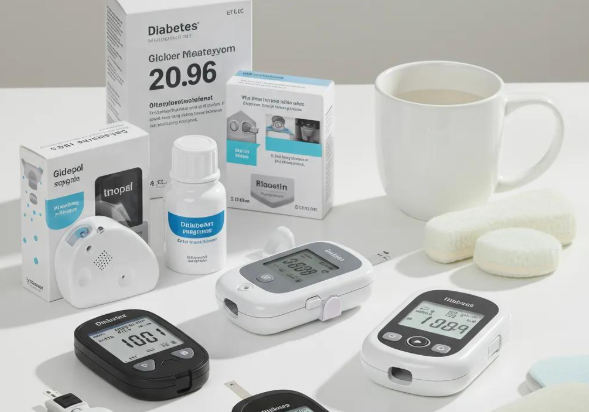
Essential diabetes management products include continuous glucose monitors, insulin pump supplies, blood glucose meters and test strips, and targeted foot-care items that reduce risk of ulceration. These diabetes supplies function as medical devices and self-care tools, providing data, medication delivery, and protective care that together maintain glycemic control and lower complication risk. Choosing the right device depends on treatment goals, daily routines, and insurance or prescription requirements; understanding primary benefits and typical users helps simplify decisions. Below is a quick comparison to help readers match product categories to common needs and to prepare for procurement steps like obtaining prescriptions or discussing coverage with clinicians.
Devices and product categories to consider in November:
-
Continuous glucose monitors (CGMs) for trend tracking and alerts.
-
Insulin pump consumables and accessories for people on pump therapy.
-
Blood glucose meters and test strips for point-in-time checks and backup.
-
Foot care products such as specialty creams and non-restrictive socks.
This overview sets up deeper device-specific details about CGMs, pumps, and meters that follow.
How Do Continuous Glucose Monitors Improve Diabetes Control?
Continuous glucose monitors (CGMs) are wearable systems that measure interstitial glucose frequently and display trends, improving the ability to detect highs, lows, and patterns. CGMs work by sensing glucose through a small subcutaneous sensor, transmitting data to a receiver or smartphone, and enabling alerts for rapid changes, which enhances timely treatment decisions. For many people with Type 1 diabetes or Type 2 diabetes intensifying therapy, CGMs reduce hypoglycemia risk and lower average glucose by enabling proactive adjustments based on trend data. Compared with finger-stick testing, CGMs provide richer temporal context and can reduce the total number of routine finger-stick checks while guiding medication and lifestyle changes.
A short pros/cons micro-list explains typical trade-offs and introduces pump supply considerations next.
What Should You Know About Insulin Pump Supplies and Accessories?
Insulin pump therapy relies on consumables such as reservoirs, infusion sets, tubing, and replacement cannulas that require regular replacement to maintain safe insulin delivery and prevent site problems. Timely replacement schedules and proper storage are essential to avoid occlusions, dosing errors, or infection; users should follow manufacturer guidance and coordinate refills ahead of time to prevent gaps. Insurance coverage and prescription authorization are common procurement steps, so planning refill requests and maintaining a small on-hand supply reduces risk of interruption. Understanding basic troubleshooting and compatibility among reservoir sizes and infusion set types helps ensure uninterrupted therapy and supports better glycemic stability.
Maintaining supplies and knowing where to get help leads into meter and test strip selection guidance.
Which Blood Glucose Meters and Test Strips Are Recommended?
Selecting a blood glucose meter involves weighing accuracy, cost of test strips, ease of use, and connectivity features that may sync with apps or diabetes management platforms. Prioritize meters that meet established accuracy standards and that have affordable, certified test strips under your coverage; for many users a basic meter with reliable accuracy is sufficient, while others benefit from connectivity and logging functions. Consider the long-term cost of strips and whether insurance requires a specific brand or prescription; discussing options with a pharmacist or clinician can clarify coverage and compatibility. A buyer’s checklist below helps readers compare meter attributes and prepare questions before purchase.
-
Accuracy and ISO/FDA-aligned performance matter for treatment decisions.
-
Strip cost and insurance coverage impact long-term affordability.
-
Connectivity features suit those who want digital logs and remote monitoring.
This checklist frames the procurement and personalization discussion in the next section.
How Does Compounding Pharmacy Support Personalized Diabetes Care?
Compounding pharmacy services customize medication formulations when commercially available products do not meet a patient’s unique needs, providing tailored doses, allergen-free options, or alternate delivery forms. Compounding works by preparing individualized medications according to a prescriber’s specifications, which can help in pediatric dosing, addressing excipient sensitivities, or creating alternative concentrations for specific administration requirements. Patient benefits commonly include dose flexibility, removal of problematic excipients, and alternative formulations that support adherence and tolerability. Understanding these capabilities helps clinicians and patients decide when compounding is an appropriate complement to standard commercial options.
-
Custom insulin doses offer flexible concentrations, providing precise dosing for pediatric or weight-based needs.
-
Allergen-free formulations exclude specific excipients, resulting in reduced adverse reactions in sensitive patients.
-
Alternative delivery forms use non-standard routes or concentrations, leading to improved adherence when standard forms are unsuitable.
What Are the Benefits of Custom Compounded Diabetes Medications?
Custom compounded diabetes medications deliver personalized advantages such as tailored dosing, removal of troublesome excipients, and alternative delivery methods that can improve adherence and tolerability. For example, pediatric patients or those requiring micro-doses benefit from precise formulations that are not commercially available, while patients with allergies can receive preparations without specific inactive ingredients. Compounding can also offer alternative delivery options when commercial forms are impractical, supporting continuity of therapy. These practical benefits must be balanced with regulatory and safety considerations addressed in the next subsection to ensure patients pursue compounding under proper clinical oversight.
Are Compounded GLP-1 Medications Safe and Effective?
Compounded GLP-1 formulations raise specific regulatory and safety questions and should be approached cautiously; recent guidance emphasizes the importance of approved, tested products where available. Safety concerns for compounded versions include variable potency, contamination risk, and lack of the full quality controls applied to approved manufacturer products, so patients and clinicians should weigh the risks and benefits carefully. The advisable action is to consult prescribing clinicians and pharmacists, seek products with validated sourcing and documentation, and prefer approved therapies unless compounding is clinically necessary and medically supervised. Discussing these choices with a pharmacist ensures that any compounded therapy aligns with safety expectations and treatment goals.
How Can Clemson Apothecare Provide Local Compounding Services?
Clemson Apothecare is a local pharmacy in Clemson, SC that offers in-person pharmacist consultations and general health and care information to support individualized medication decisions. Patients in the Clemson area can discuss personalized medication needs, ask about compounding options, and receive guidance on how customized formulations might address dosing or excipient concerns. While specific compounding services and products should be explored during a pharmacist consultation, the pharmacy’s local accessibility supports timely discussions about personalized care and medication management. Contacting or visiting the pharmacy provides a direct way to review options with a pharmacist and coordinate prescriptions or referrals as needed.
Why Is November Diabetes Awareness Month Important for Patients and Community?
November Diabetes Awareness Month highlights the value of screening, public education, and community support to identify undiagnosed diabetes and reduce complications through earlier intervention. Early detection through A1C and fasting glucose screenings changes care trajectories by enabling lifestyle or medical interventions that can delay progression from prediabetes to Type 2 diabetes and improve outcomes for existing diabetes. Community awareness campaigns promote routine screening, education about signs and symptoms, and resources for self-management, creating local momentum for prevention and support. Below is a short local-action note that shows how community pharmacies can add value during the awareness month.
-
Clemson Apothecare offers general health and care information and can assist individuals seeking local education materials or guidance about screenings and next steps.
-
The pharmacy’s local presence makes it a practical starting point for questions about A1C screening logistics and follow-up resources.
These community-focused efforts prepare readers to pursue early screening and understand population-level trends in 2025.
What Local Diabetes Awareness Initiatives Does Clemson Apothecare Offer?
Clemson Apothecare provides general health and care information and community support that can be used to promote awareness initiatives during November, such as educational materials and informal guidance about screening options. While specific events should be confirmed with the pharmacy, its role in sharing information and supporting local screening promotion can complement broader community efforts. Residents are encouraged to consult the pharmacy staff about available educational resources and how to connect with local screening programs. This local engagement helps make screening and follow-up care more accessible for community members.
How Can Early Screening Impact Diabetes Management?
Early screening with tests such as A1C and fasting glucose identifies elevated risk sooner, enabling clinicians and patients to implement lifestyle interventions or medical treatment that reduce long-term complications. Detecting prediabetes prompts targeted diet, activity, and weight-management plans that often prevent or delay progression to Type 2 diabetes, while earlier diagnosis of diabetes allows timely medication adjustments to protect organs and vascular health. After abnormal screening results, recommended next steps include confirmatory testing, a primary care or endocrinology referral, and coordinated care planning with pharmacists for medication management. Prompt action based on screening results translates into better long-term outcomes and reduced burden of advanced complications.
What Are Key Facts About Diabetes Prevalence and Risks in 2025?
Recent trends in 2025 show that diabetes and prediabetes remain common public-health concerns, with ongoing increases in Type 2 diabetes prevalence tied to demographic and lifestyle factors. Higher A1C rates in population studies underscore the need for systematic screening and community-level prevention efforts to identify people at risk earlier. Major risk factors include obesity, sedentary lifestyle, family history, and age, and addressing these through education and structured programs can reduce incidence. Understanding these trends emphasizes why November awareness campaigns and local screening access are vital for improving community health.
What Diabetes Education and Support Resources Are Available for Better Management?
Effective diabetes education combines dietary guidance, physical activity recommendations, medication adherence strategies, and access to local support for product selection and monitoring. Educational resources help translate clinical guidance into daily routines, teaching carbohydrate awareness, portion control, and how different activities affect glucose levels. Pharmacists and diabetes educators play roles in medication counseling, device selection, and adherence planning, helping patients navigate options like CGMs, meters, or compounding considerations. The next three subsections provide actionable tips for eating and activity, adherence strategies, and how Clemson Apothecare supports local education.
How Can Healthy Eating and Physical Activity Help Manage Diabetes?
Healthy eating and consistent physical activity lower blood glucose, improve insulin sensitivity, and support weight management, which together reduce the need for escalating medication in many people with Type 2 diabetes. Practical dietary strategies include monitoring carbohydrate intake, choosing fiber-rich foods, balancing meals with protein and healthy fats, and planning regular meal times to stabilize glucose. Recommended physical activities are aerobic exercise, resistance training, and daily movement that cumulatively improve metabolic health; even moderate increases in activity have measurable benefits. Small, implementable changes—like walking after meals or swapping refined carbs for whole grains—create sustainable improvements in glycemic control.
-
Monitor carbohydrate portions at meals to manage post-meal glucose spikes.
-
Aim for a mix of aerobic and strength activities several times per week.
-
Use meal planning and consistent timing to support predictable glucose responses.
These lifestyle steps complement adherence strategies discussed next.
What Strategies Improve Medication Adherence for Diabetes?
Medication adherence improves when patients use practical tools like pillboxes, smartphone reminders, dose synchronization services, and simplified regimens developed with clinicians. Pharmacy-led supports such as medication synchronization, counseling sessions, and refill reminders reduce missed doses and streamline supply management, especially for insulin pens, pumps, and strips. When adherence remains challenging, discussing regimen simplification or alternative formulations with prescribers and pharmacists can identify workable solutions. Combining behavioral strategies with pharmacy services strengthens long-term adherence and supports better glycemic outcomes.
How Does Clemson Apothecare Support Diabetes Education Locally?
Clemson Apothecare provides general educational content and pharmacist guidance to help patients make informed choices about medications, devices, and lifestyle strategies based on individual needs. The pharmacy can be a local touchpoint for questions about product selection, insurance considerations, and where to seek further diabetes education, and staff can point patients toward authoritative resources for deeper learning. For individualized questions about medications or supplies, visiting or consulting with the pharmacy offers practical support in coordinating care. Local pharmacist engagement reinforces clinical advice and aids ongoing management.
How Can Diabetic Foot Care Products Prevent Complications?
Diabetic foot care reduces the risk of ulceration, infection, and amputation by maintaining skin integrity, protecting against pressure and friction, and detecting early problems through inspection and care routines. Products such as moisturizing foot creams, non-restrictive diabetic socks, and protective footwear reduce dryness, shear forces, and pressure points that contribute to breakdown; combining product use with daily inspection and professional care referrals prevents escalation. Patients should prioritize gentle hygiene, appropriate moisturization, and footwear that distributes pressure evenly, and seek care promptly for wounds or neuropathic symptoms. Below compares common foot-care products and how they fit into prevention strategies.
-
Specialty foot creams — Formulated with urea or glycerin-based hydration, these creams help prevent dry, cracked skin and fissures.
-
Diabetic socks — Made from non-restrictive, moisture-wicking fabric, they work to reduce friction and moisture buildup.
-
Protective footwear — Designed with extra depth and pressure-distributing features, this footwear helps prevent pressure ulcers in neuropathic feet.
Which Specialty Foot Creams and Diabetic Socks Are Recommended?
Choose foot creams that restore moisture using agents like urea or glycerin without causing irritation, and apply them to the tops and soles while avoiding between the toes to reduce maceration risk. Diabetic socks should be non-restrictive, breathable, and fit well to minimize friction and pressure points; materials that wick moisture help prevent fungal infections. Regular use of appropriate creams and socks combined with footwear that provides cushioning supports skin health and reduces microtrauma. Selecting products that suit skin type and activity levels improves daily foot comfort and long-term protection.
What Preventative Measures Reduce Diabetic Foot Problems?
Daily inspection, proper hygiene, moisturization, appropriate footwear, and timely professional evaluation form the core prevention checklist for diabetic foot health. Inspect feet every day for cuts, redness, swelling, or changes in sensation; clean and dry feet thoroughly and apply recommended moisturizers where skin is dry. Replace shoes at signs of wear, choose shoe styles that avoid pressure points, and seek podiatry evaluation for persistent issues or wounds that do not heal. Immediate attention to any wound or infection risk prevents escalation and maintains mobility.
Preventive routines and product selection close the guidance offered for November awareness and ongoing diabetes management.
Contact Information:
Clemson Apothecare
103 Knox Ln
Clemson, SC 29631
United States
Clemson Apothecare
(864) 654-9120
https://clemsonapothecare.com/
Original Source: https://clemsonapothecare.com/media-room/#/media-room
