Key Takeaways
- Flyers remain highly effective for small businesses in 2026, offering predictable costs and tangible engagement that digital ads often can’t match
- Strategic distribution and professional design are the key differentiators between successful flyer campaigns and wasted marketing dollars
- Integration with digital tracking tools like QR codes and unique discount codes transforms flyers into measurable marketing investments
- Local businesses see the highest ROI from flyers when targeting community events, high-traffic areas, and neighborhood-specific campaigns
While social media algorithms change overnight and digital ad costs fluctuate unpredictably, flyers provide small businesses with a marketing foundation that’s both reliable and affordable. The question isn’t whether flyers work in 2026—it’s whether small business owners in the Bay Area understand how to use them effectively in today’s competitive marketplace.
Why Flyers Cut Through Digital Marketing Noise in 2026
Digital fatigue has reached a tipping point. People encounter thousands of advertisements daily through screens, creating an overwhelming sensory experience that leads to banner blindness and ad-blocking behavior. Flyers offer a refreshing break from this digital bombardment by providing a tangible, physical interaction that engages different neural pathways than screen-based marketing.
The tactile nature of print materials triggers what neuroscientists call “embodied cognition”—the physical act of holding and reading a flyer creates stronger memory formation than scrolling past digital content. Studies consistently show that consumers find print advertising more trustworthy and memorable than digital alternatives, with physical materials generating 70% higher brand recall compared to digital-only campaigns.
Small businesses benefit from this trust factor because flyers position them as established, credible local entities. When potential customers can physically hold marketing materials, it subconsciously signals permanence and investment in the community.
The True Cost Advantage Flyers Offer SMBs
Understanding the real economics of flyer marketing reveals why savvy small business owners continue investing in print campaigns despite digital marketing’s promises of precision targeting and real-time analytics.
1. Predictable Per-Piece Pricing vs. Variable Digital Ad Costs
Flyer printing costs remain stable and predictable, typically ranging from $0.05 to $0.25 per piece depending on quantity, paper quality, and design complexity. This pricing structure allows businesses to calculate the exact cost-per-impression before launching campaigns. Digital advertising, conversely, operates on auction-based systems where costs fluctuate based on competition, seasonal demand, and platform algorithm changes.
A local restaurant printing 1,000 flyers knows their marketing investment upfront, while the same budget for Facebook ads might reach 500 people one week and 1,200 the next, depending on competitive bidding. This unpredictability makes budget planning difficult and ROI calculations unreliable for cash-conscious small businesses.
2. Zero Ongoing Campaign Management Fees
Digital marketing platforms require constant optimization, monitoring, and adjustment to maintain performance. Many small businesses end up paying agencies $1,000-$4,000 monthly for campaign management, or spend countless hours learning platform intricacies themselves. Flyers eliminate ongoing management costs entirely—once printed and distributed, they work independently without requiring daily attention or budget adjustments.
This “set it and forget it” approach frees business owners to focus on operations rather than marketing platform management. A well-designed flyer continues generating leads for weeks or months after initial distribution, creating compound value from the original investment.
3. Adaptable Design Content for Multiple Campaigns
Professional flyer templates can be modified for different promotions, seasons, or target audiences without starting from scratch. A base design investment pays dividends across multiple campaigns, with minor text and image updates keeping materials fresh. Digital ads require constant creative refreshes to combat audience fatigue, forcing businesses to continuously invest in new graphics, copy, and video content.
Strategic Distribution That Drives Results
Distribution strategy determines flyer campaign success more than design or budget. Understanding where and how to place flyers transforms them from hopeful marketing attempts into targeted customer acquisition tools.
1. High-Traffic Community Placement
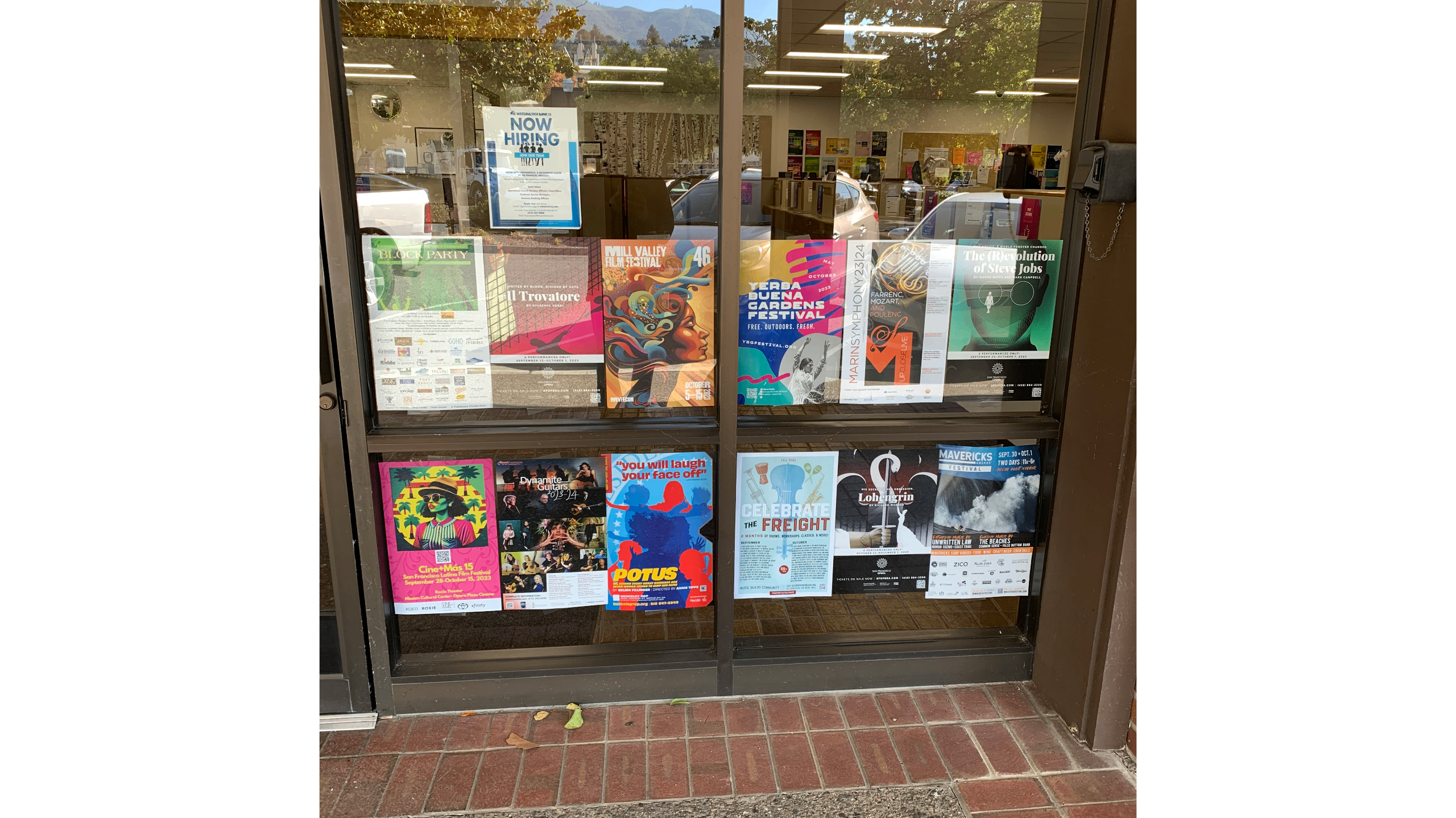
Coffee shops, community centers, libraries, and local businesses offer natural flyer distribution points where people have time to read and consider marketing messages. Unlike busy sidewalks where materials get ignored, these locations provide relaxed environments conducive to engagement. Successful placement requires building relationships with location owners and providing value in exchange for display space.
2. Event-Based Distribution for Maximum Impact
Local events, farmers’ markets, festivals, and community gatherings provide concentrated audiences already in discovery mode. Event attendees expect to receive promotional materials and often collect multiple flyers for later review. This receptive mindset dramatically improves engagement rates compared to interruption-based marketing approaches.
Timing distribution with relevant events amplifies message impact. A landscaping company distributing flyers at a home and garden show reaches an audience actively seeking their services, while the same flyers distributed randomly generate minimal response. Event-based distribution requires planning and coordination but produces measurably better results.
3. Door-to-Door Targeting for Local Neighborhoods
Residential distribution allows precise geographic targeting that digital platforms struggle to match affordably. Door-to-door campaigns work exceptionally well for service businesses like landscaping, cleaning, home repair, and food delivery that depend on local proximity. This distribution method reaches every household in targeted areas, including demographics that spend limited time online.
Successful door-to-door campaigns require timing consideration—avoid early mornings, late evenings, and extreme weather conditions. Securing flyers properly prevents litter complaints while ensuring materials remain visible and readable when residents discover them.
Design Elements That Convert Browsers to Customers
Professional design separates effective flyers from amateur attempts that damage brand perception. Every design choice influences reader behavior and conversion potential.
Quality Paper Stock Makes Your Business Look Professional
Paper quality communicates business quality before potential customers read a single word. Thin, flimsy paper suggests corner-cutting and poor attention to detail, while substantial stock (80-100 lb) conveys professionalism and investment. Matte finishes provide sophisticated appeal and excellent readability, while glossy stocks make colors vibrant and eye-catching.
The tactile experience of handling quality paper creates positive first impressions that influence purchasing decisions. Consumers unconsciously associate material quality with service quality, making paper choice a critical brand positioning decision rather than a cost-saving opportunity.
Clear Call-to-Actions That Tell People What to Do Next
Effective flyers guide readers through specific next steps rather than hoping they’ll figure out how to respond. Strong call-to-actions use action verbs (“Call Today,” “Visit This Weekend,” “Scan for Menu”) and create urgency through limited-time offers or exclusive bonuses. Multiple contact options accommodate different communication preferences—phone numbers for immediate needs, websites for detailed information, and QR codes for tech-savvy customers.
Positioning call-to-actions prominently and repeating them throughout longer flyers increases response rates. The most important CTA should appear above the fold, with supporting actions placed strategically throughout the design to catch attention as readers scan the material.
Tracking ROI and Measuring Flyer Effectiveness
Modern flyer campaigns incorporate digital tracking elements that provide detailed performance analytics previously available only through online advertising.
QR Codes Connect Print to Digital Tracking
QR codes bridge the gap between print and digital analytics by directing flyer recipients to trackable landing pages. These codes can link to special offers, detailed product information, contact forms, or social media profiles while providing exact scan data. Advanced QR implementations track not just scans but resulting website behavior, allowing businesses to measure complete customer journeys from flyer to conversion.
Unique Discount Codes Reveal Campaign Success
Campaign-specific discount codes provide precise attribution for flyer-generated sales. Codes like “FLYER2026” or location-specific variations (“DOWNTOWN15”) track which distribution areas produce the best results. This data enables businesses to optimize future campaigns by focusing on high-performing locations while avoiding unproductive areas.
Discount codes work across all business types—service companies can offer percentage discounts, restaurants can provide free items or delivery, and retail stores can create tiered savings based on purchase amounts. The key is making codes memorable and valuable enough to motivate action.
Dedicated Landing Pages Show Direct Traffic Impact
Creating campaign-specific web pages (like businessname.com/flyer) provides detailed analytics about flyer performance. Landing page traffic, time on site, and conversion rates reveal how effectively flyers drive online engagement. These pages can collect contact information, showcase products or services, and guide visitors through conversion funnels while tracking every interaction.
Integration Strategies That Amplify Your Marketing
Flyers work most effectively as part of integrated marketing campaigns that combine multiple touchpoints for maximum impact and reach.
Pairing Flyers with Social Media Campaigns
Social media and flyers create powerful synergistic effects when coordinated strategically. Businesses can photograph flyer distributions, share behind-the-scenes campaign preparation, and encourage social sharing of flyer offers. QR codes on flyers can direct to social media profiles, building online followings while tracking offline campaign performance.
Using Flyers to Support Grand Opening Events
Grand opening events benefit enormously from advance flyer campaigns that build anticipation and drive attendance. Multi-wave distribution strategies—initial awareness flyers followed by reminder flyers closer to the event—create sustained buzz while accommodating different customer planning timelines. Event flyers should include specific details (date, time, special offers) while building excitement through exclusive previews or limited-time promotions.
Post-event follow-up flyers thank attendees while encouraging repeat visits through special offers or loyalty program invitations. This three-phase approach maximizes grand opening investment by extending engagement beyond the single event day.
Flyers Remain a Smart Investment for Local Business Growth
Flyers continue delivering measurable results for small businesses because they address fundamental marketing challenges that digital channels struggle to solve affordably. Predictable costs, tangible engagement, local targeting capabilities, and integration flexibility make flyers valuable components of balanced marketing strategies.
Success requires strategic thinking rather than random distribution. Businesses that identify their ideal customers, choose optimal distribution locations, invest in professional design, and implement tracking mechanisms see consistent ROI from flyer campaigns. The key is treating flyers as precise marketing tools rather than broad-reach advertising attempts.
Smart small business owners recognize that effective marketing combines multiple channels for maximum impact. Flyers provide the tangible, trustworthy foundation that supports and amplifies digital efforts while reaching audiences that online advertising might miss. In an increasingly digital world, the physical nature of flyers creates memorable brand interactions that drive real business growth.
Special Interest Marketing & Advertising Inc.
610 16th Street
Suite 76
Oakland
California
94612
United States