
Key Takeaways
- Authentic wearable art gives fashion-conscious women a way to express personal style through original, artist-made pieces instead of mass-produced graphics
- A clear line now separates hand-drawn designs, which carry natural imperfections and artist attribution, from AI-generated graphics, which often show overly perfect symmetry and vague credit
- The global secondhand apparel market reached $227 billion in 2023 and grew at 18% annually, three times faster than the overall global apparel market, giving well-made art pieces real staying power
- Simple styling moves, like letting a single art piece lead an outfit or starting with a scarf or shawl, make wearable art approachable for everyday wardrobes
Wearable art is taking over fashion-forward wardrobes in 2026, and the reasons go deeper than a passing trend. A growing number of shoppers want clothing that feels personal, meaningful, and made by real human hands rather than pulled from an endless digital catalog.
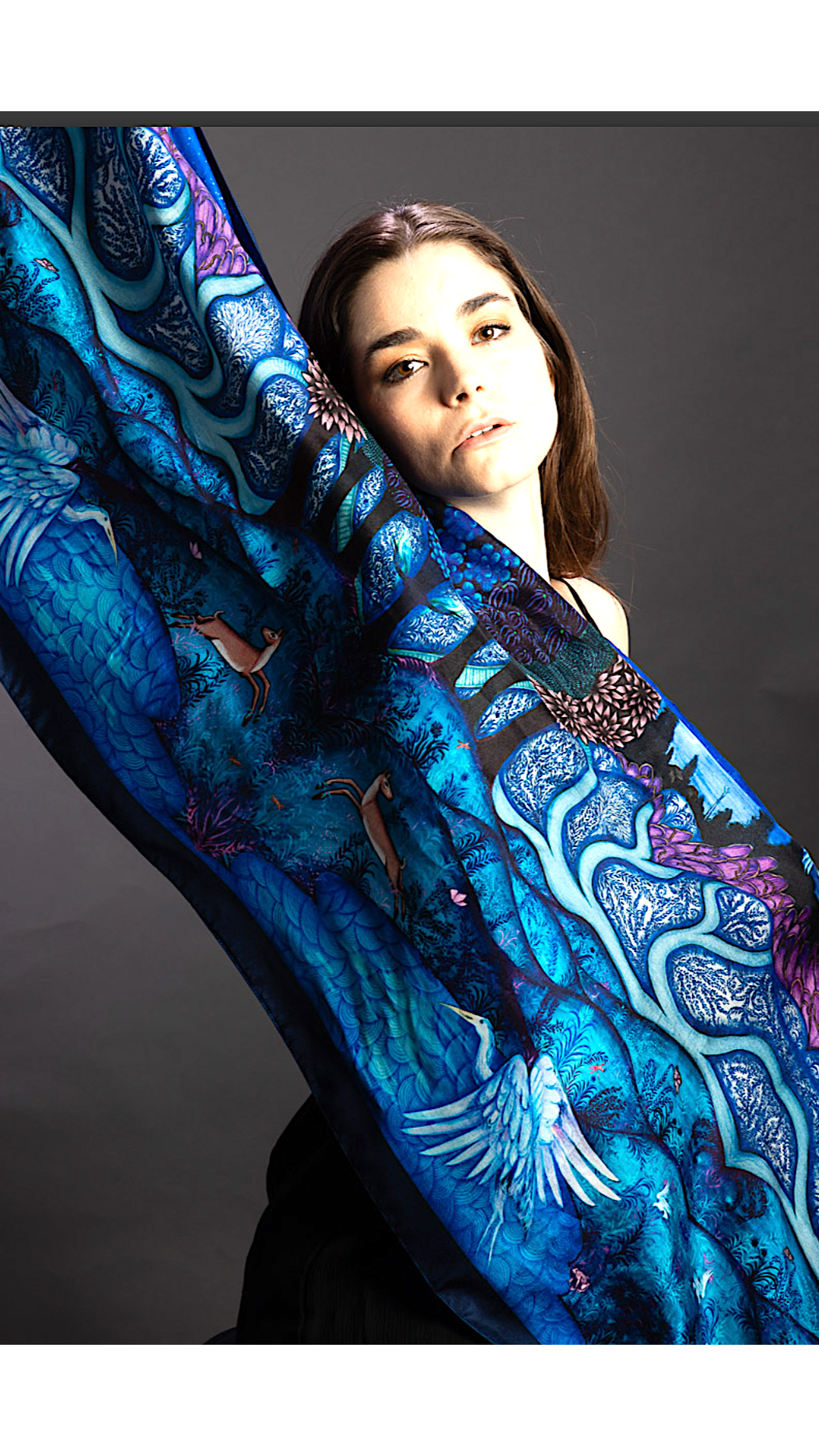
Fashion-conscious women are asking harder questions about where their clothing’s artwork actually comes from, and the answer is reshaping what authentic style means this year. A silk scarf or shawl featuring an original painting can turn a plain outfit into a statement piece; for example, Siona Benjamin of Blue Like Me translates her paintings into colorful accent pieces that bring any outfit to life.
What Counts As Wearable Art in 2026
Wearable art sits in a different category than a printed graphic tee. The defining markers include original commissioned artwork rather than stock images or recycled clip art, limited edition numbering, construction that treats the fabric itself as part of the artistic medium, and documentation that ties the finished piece back to the artist who made it.
That distinction matters more than it might seem at first glance. A mass-produced shirt with a licensed cartoon loses value the moment someone removes the tags. A piece built around original artwork, produced with intention and tied to a real creative process, behaves more like a collected print: it carries meaning, it tells a story, and it often holds its worth over time. Shoppers browsing scarves, shawls, dresses, or home textiles in 2026 are checking for these signals before deciding a piece belongs in their closet.
Why Wearable Art Is Having a Moment
The wearable art movement has moved well past niche art fairs and into everyday closets. Part of this shift comes from a broader economic backdrop: the streetwear market, a category closely tied to art-driven apparel, has been expanding at a pace that signals a much larger audience paying attention to where their clothing’s design actually comes from, not just how it looks on a hanger.
Gen Z’s Shift Toward Artistic Meaning
Younger shoppers are driving a real change in purchasing habits. Current consumer research shows that a large share of today’s shoppers describe themselves as purpose-driven, choosing brands that align with their values, with Gen Z leading that trend; separately, 43% of U.S. Gen Zers say they have walked away from a brand they were once loyal to simply because they grew tired of it. Taken together, these patterns reflect a generation that grew up surrounded by fast fashion and is now seeking the opposite: pieces with a story, a creator, and a reason to exist beyond a single season.
The 2026 Collector Mindset
A newer pattern taking hold in 2026 is what might be called the collector mindset. Buyers are treating their closets less like disposable inventory and more like a curated collection, paying attention to origin, thinking about longevity, and favoring pieces that carry meaning past the current trend cycle. This mirrors how print collectors or record collectors shop, with intention replacing impulse. Three forces have converged to support this shift: digital tools that help verify a piece’s origin, direct relationships between artists and the brands that produce their work, and a resale market mature enough to track value the way sneaker marketplaces do.
Hand-Drawn vs. AI-Generated Designs
As artistic apparel becomes more popular, a parallel conversation has taken hold about where the art actually comes from. AI-generated designs now account for more than 40% of new apparel graphics launched in 2026, driven largely by how quickly and cheaply algorithms can churn out variations compared to an artist working by hand. That volume has made authenticity a bigger selling point than ever, rather than a smaller one.
Signs of Genuine Hand-Drawn Art
Hand-drawn artwork carries fingerprints that are hard to fake. Shoppers looking for the real thing can check for a few consistent signals:
- Slight variations in line weight and small natural imperfections that show a human hand was involved
- A consistent personality or style across different pieces from the same artist
- Meaningful details that support a larger story rather than existing just to fill space
- Clear artist attribution, along with some background on who created the work
- A style that visibly evolves and grows across an artist’s body of work over time
Red Flags of AI-Generated Graphics
Certain patterns tend to point toward algorithm-made art rather than human creativity: overly perfect symmetry that feels sterile rather than intentional, expressions or figures that land in uncanny valley territory, random or repetitive details that do not connect to any clear idea, and vague or missing artist credit. Some AI-generated images also carry subtler technical tells, like distorted hands, garbled text, or textures that look unnaturally smooth, flaws that trained eyes in the art world have learned to spot quickly.
Why Authenticity Holds Its Value
Collectors have picked up on a pattern worth noting: hand-drawn designs tend to appreciate in meaning and value over time, while AI-generated graphics tend to blur together and lose any sense of individuality. A piece tied to a real artist’s evolving body of work becomes closer to a cultural artifact than a seasonal purchase, especially as fashion history keeps gaining academic legitimacy. Original, hand-painted designs translated into wearable pieces continue to connect with shoppers who want their clothing to mean something lasting.
Styling Wearable Art Into Daily Looks
Owning a piece of wearable art is only half the equation. Knowing how to wear it well is what actually brings the art to life in daily routines.
Let the Art Lead the Outfit
The simplest rule for styling wearable art is giving it room to breathe. The art piece should act as the clear focal point of an outfit, with everything else playing a supporting role. Pairing a bold hand-painted print with simple, neutral, or understated basics creates the kind of balance that lets the artwork get noticed instead of competing with several other patterns at once.
Easy Entry Points: Scarves and Accessories
For anyone hesitant about committing to a full wearable art outfit, accessories offer a low-pressure starting point. A silk scarf or shawl slips easily into an everyday look, whether draped over a blazer, tied onto a handbag, or worn as the single standout piece against a plain top and trousers. Scarves also sidestep the fit concerns that come with wearable art garments, since one size and drape generally works for almost any body type.
Balancing Bold Prints With Simple Silhouettes
The strongest wearable art looks tend to share one trait: a clean, refined silhouette underneath the artwork. A busy print paired with a busy cut fights itself for attention. Keeping the garment shape simple, whether that is a straight dress, a fitted coat, or a classic button-down, keeps the focus exactly where it belongs, on the art itself.
2026 Trends Shaping Wearable Art
Several broader fashion movements are intersecting with wearable art this year, giving shoppers more ways to build a wardrobe around pieces with real meaning.
Sculptural Jewelry and Bold Color
Sculptural, architectural jewelry, think molten gold cuffs or oversized geometric rings, has become a defining accessory trend for 2026, designed specifically to act as the centerpiece of an outfit. Alongside that shift, bold colors like deep yellows, blues, purples, and greens are making a strong comeback after years dominated by neutrals, giving wearable art pieces even more room to stand out.
Asymmetry, Texture, and Sustainable Materials
Asymmetrical details, including one-shoulder necklines, angled hems, and off-center buttons, are adding visual interest to otherwise classic silhouettes. Texture is playing a similar role, with bouclé, suede, leather trims, and chunky knits layered together for depth. Material choices carry more weight than ever too: 67% of luxury streetwear consumers now say material transparency is “important” or “very important” to their purchase decision, and 41% have paid a premium specifically for verifiable sustainable sourcing. That mindset lines up naturally with wearable art’s slower, more intentional production process, which favors longevity over fast-fashion turnover.
A Growing Resale Market
The resale market is becoming a serious piece of the wearable art story. The global secondhand apparel market reached $227 billion in 2023 and grew at 18% annually, three times faster than the overall global apparel market. That trajectory gives well-made, original art pieces a real secondary life instead of an expiration date.
Non-Jewelry Accessories: Shoes, Scarves, Shawls, & More
Jewelry is not the only accessory category carrying wearable art into 2026. Shoes, bags, scarves, and shawls are all functioning as canvases for original artwork, giving shoppers multiple entry points depending on how bold they want to go. A silk shawl painted with a night-sky or seasonal motif, for example, can anchor an entire look while still working as a practical, everyday layer.
Authentic Art Clothing Keeps Its Meaning
Wearable art earns its place in a modern wardrobe by carrying a story that lasts past a single season, something fast fashion rarely manages. A piece built on original, hand-created artwork tends to hold both its visual impact and its emotional resonance, while mass-produced or algorithm-generated graphics fade into the background noise of a crowded closet.
As the resale market keeps expanding and shoppers keep asking harder questions about where their clothing’s art actually comes from, authenticity looks less like a niche preference and more like the new baseline for anyone building a wardrobe with real intention.
For a simple way to bring original artwork into daily wear, consider wearable art accessories that turn a single painting into an everyday statement piece.
Blue LIke Me LLC
artsiona@gmail.com
6 Godfrey Road
Montclair
NJ
07043
United States


