How December Actions Prevent Costly Spring Damage and Repair Work
Livonia, United States – December 15, 2025 / Independent Lawn Services /
The decisions homeowners make in December directly impact how much lawn recovery work they’ll face in spring. Proper winter preparation in Southeast Michigan isn’t just about protecting grass from cold. It’s about preventing the expensive damage and extensive repairs that consume spring months for unprepared properties. Winter preparation strategies that set the stage for spring recovery require planning in fall and early winter, not scrambling in spring.
Homeowners in Livonia, Plymouth, Canton, Novi, and Northville who prepare their lawns correctly in November and December typically need minimal spring recovery work. Those who skip winter preparation face significant spring damage, costly repairs, and months of struggling lawns. The difference comes down to understanding what winter preparation actually prevents.
Why Winter Preparation Matters for Spring Success
Winter damage doesn’t happen by accident. It’s the result of missed opportunities for prevention. Soil compaction, fungal disease, pest damage, and nutrient depletion all accelerate when lawns lack proper winter foundation.
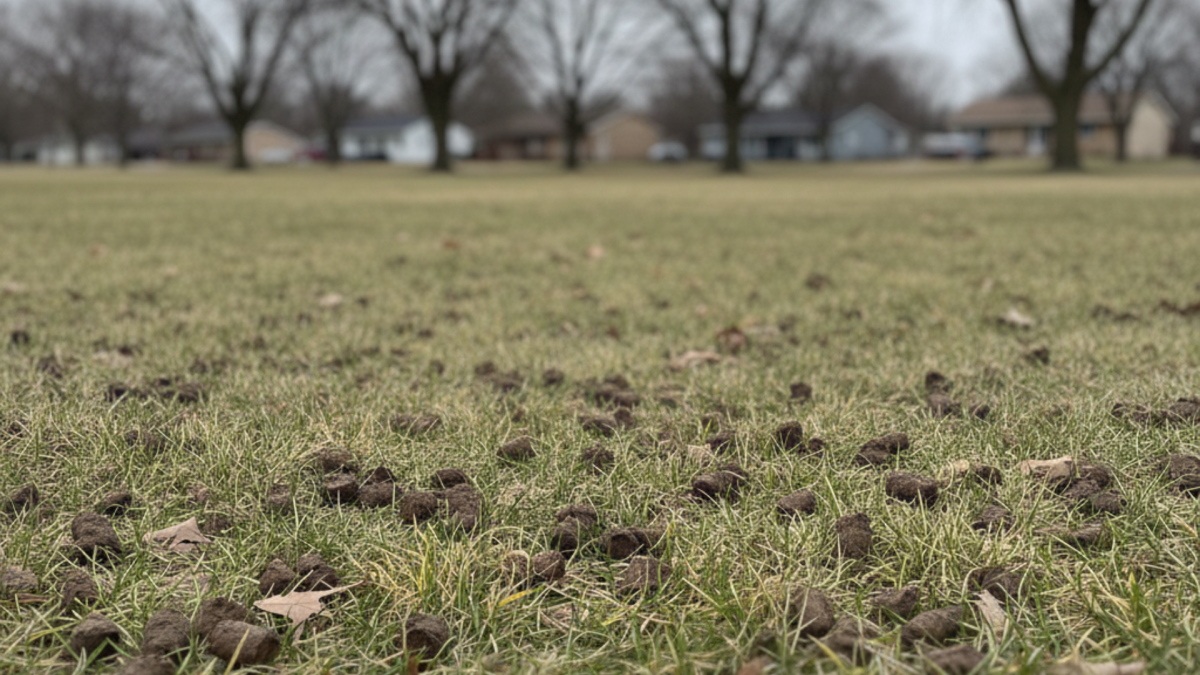
Soil compaction worsens throughout winter without aeration preparation. Repeated foot traffic, snow removal equipment, and accumulated snow compress soil progressively. A lawn that wasn’t aerated in fall enters spring with severely compacted soil that restricts root growth, water infiltration, and nutrient availability. Spring recovery from compacted soil requires extensive aeration work. A lawn that was aerated in fall enters spring with loosened soil ready for rapid growth.
Snow mold and fungal disease develop under poor conditions created by neglected fall care. Lawns that weren’t fertilized properly in fall have weaker plant cells less able to resist fungal infection. Spring recovery requires fungicide applications and often complete overseeding of affected areas. Lawns that received proper fall fertilization resist snow mold naturally.
Pest populations explode in spring from overwintering problems. Grubs that fed unchecked through winter create spongy patches in spring. Moles that tunneled through dormancy leave extensive damage spring homeowners must repair. Early prevention in fall stops these populations before winter amplifies the problems.
Weed seed germination in spring overwhelms lawns lacking pre-emergent protection. Crabgrass seeds that sprout in spring create months of weeding work. Pre-emergent applications in fall prevent this entirely, making spring far simpler.
Understanding this connection between winter preparation and spring outcome changes how homeowners approach winter lawn care.
Winter Preparation Actions That Prevent Spring Problems
Professional lawn care providers recommend specific winter preparation steps that directly prevent spring recovery needs.
Fall aeration in September and early October loosens compacted soil before winter arrives. Aerated soil accepts water better, allows root development, and resists further compaction. Spring lawns that were aerated in fall green up faster and require minimal recovery work. Spring recovery from unaired soil requires extensive additional aeration work.
Strategic fall overseeding of thin or bare areas before winter means those spots are filled with established grass by spring. New seedlings spend winter developing root systems in loosened soil. Spring arrives with denser, healthier turf. Skipping fall overseeding means spring requires extensive seeding and waiting for germination and growth.
Fall fertilization in November and early December provides nutrient storage in roots that sustains grass through dormancy and creates strong spring growth. Late-season applications with higher potassium strengthen cell walls and cold tolerance. Spring lawns fed properly in fall need minimal spring fertilization. Spring recovery from unfed lawns requires aggressive feeding and recovery time.
Pre-emergent herbicide applications in late August and September prevent crabgrass seeds from germinating. Winter arrives with no dormant crabgrass seeds ready to sprout. Spring is crabgrass-free. Skipping pre-emergent means spring crabgrass control consumes months of management work.
Grub prevention treatments in August before winter populations settle in prevents the root-feeding damage that appears in spring. Fall grub control stops populations before they explode. Spring recovery from unchecked grub damage requires extensive treatment and overseeding.
These winter actions require planning and execution in fall and early winter. They cannot be done effectively in spring as recovery actions.
How Winter Preparation Reduces Spring Work
The math is straightforward. A property that received proper winter preparation needs minimal spring recovery work. A property that skipped winter preparation needs extensive spring recovery work. Independent Lawn Service understands this connection and helps homeowners make winter preparation decisions that simplify spring.
Independent Lawn Service’s commitment to homeowner education means explaining why winter actions matter, not just recommending treatments. Properties prepared properly in winter experience faster spring green-up, fewer pest problems, minimal disease pressure, and significantly lower overall spring recovery costs.
Homeowners who skip winter preparation discover in spring that damage has multiplied. Unaired soil is more compacted. Unfed grass is weaker. Unmulched bare spots are now larger. Untreated grub populations have caused extensive damage. Pre-emergent-free lawns are overwhelmed with crabgrass. Spring recovery becomes far more complicated and expensive.
Tailored Winter Preparation for Southeast Michigan Properties
Livonia, Plymouth, Canton, Novi, and Northville homeowners benefit from winter preparation strategies customized to Michigan’s specific climate. Grub prevention and pest control services in August and September prevent the overwintering populations that cause spring damage. Pre-emergent applications timed to Michigan soil temperatures stop crabgrass before it starts.
The key is execution timing. December is when winter preparation wraps up. Spring is when homeowners discover whether winter actions were sufficient. Planning and acting in December prevents problems in spring.
Getting Winter Preparation Right This Year
Homeowners who want simpler, less expensive spring seasons should evaluate their winter preparation strategy now. If December is already here, it’s time to ensure fall aeration and overseeding are complete, final fertilization applications are done, and pre-emergent protection is in place.
For spring seasons that require minimal recovery work and maximum growth, winter preparation is essential. Contact Independent Lawn Service at 734-600-9161, visit independentlawnservice.com, or check their local reviews and service details to discuss your winter preparation strategy. Independent Lawn Service serves Livonia, Plymouth, Canton, Novi, Northville, and surrounding communities with expert guidance on preventing spring problems through proper winter care.

Contact Information:
Independent Lawn Services
12853 Levan Rd
Livonia, MI 48150
United States
Contact Independent Lawn Services
(734) 667-2476
https://www.independentlawnservice.com/

Original Source: https://independentlawnservice.com/media-room/


